
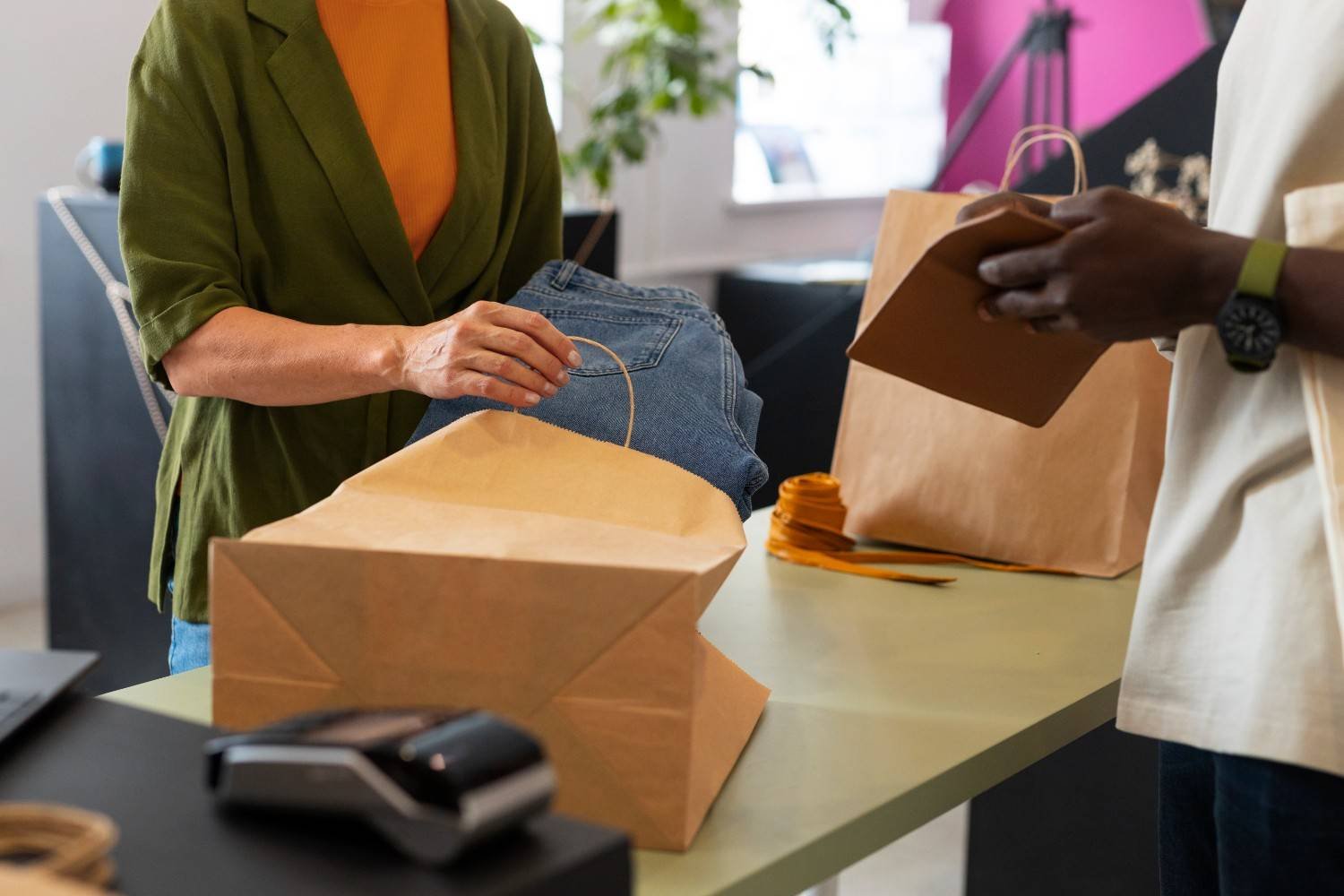
Packaging has evolved far beyond its original purpose of merely protecting goods during transit. Modern companies recognize that the exterior of a product serves as a crucial touchpoint for brand identity, consumer experience, and environmental responsibility. As consumer preferences shift and technology advances, businesses are continually adapting their packaging strategies to stay relevant and competitive.
Understanding these shifts is essential for observing how industries respond to global demands for sustainability and innovation. The materials used, the visual design, and the structural engineering of packaging all play vital roles in how a product is perceived on the shelf and experienced at home.
Here is a closer look at five significant packaging trends that companies are currently adopting.
1. Sustainable and Eco-Friendly Materials
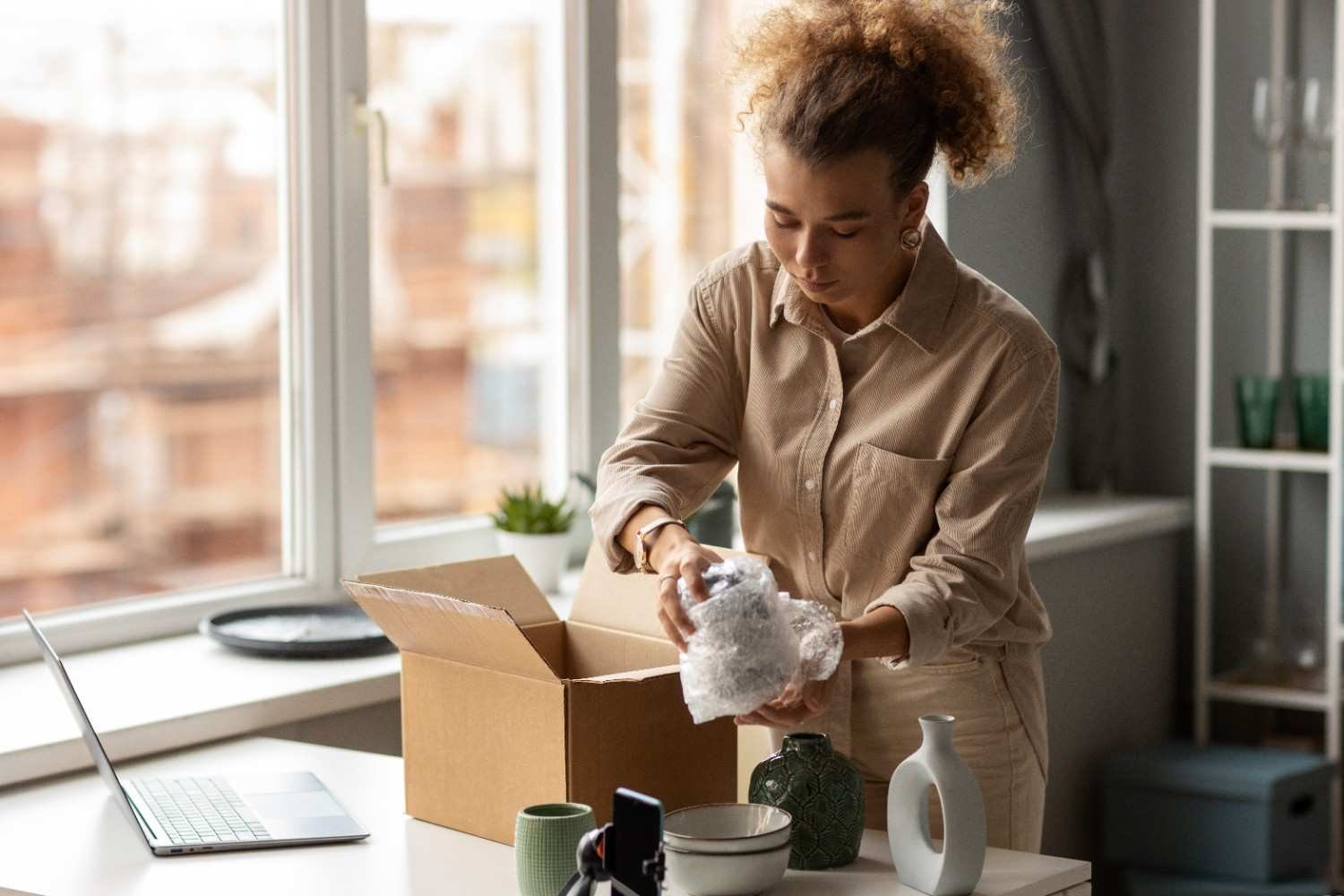
Environmental consciousness is fundamentally reshaping the packaging landscape. Consumers actively seek out brands that minimize their ecological footprint, prompting companies to transition away from traditional, single-use materials.
Many businesses are adopting biodegradable, compostable, and fully recyclable options. Materials derived from mushrooms, seaweed, and cornstarch are gaining traction as viable alternatives to conventional plastics. Furthermore, companies are reducing the overall amount of material used in their packaging, a practice known as source reduction. This not only decreases waste but also lowers shipping weights, subsequently reducing carbon emissions associated with transportation.
2. Minimalist and Clean Design
Visual clutter is being replaced by clean, straightforward aesthetics. Minimalist packaging focuses on simplicity, utilizing ample white space, simple typography, and limited color palettes.
This trend is driven by a desire to convey transparency and honesty. When a package is free from overwhelming graphics and excessive text, the core product takes center stage. Minimalist design also aligns seamlessly with the sustainability trend, as it often requires fewer inks, dyes, and materials to produce. The result is an elegant, highly readable package that communicates essential information without unnecessary distractions.
3. Smart and Interactive Packaging
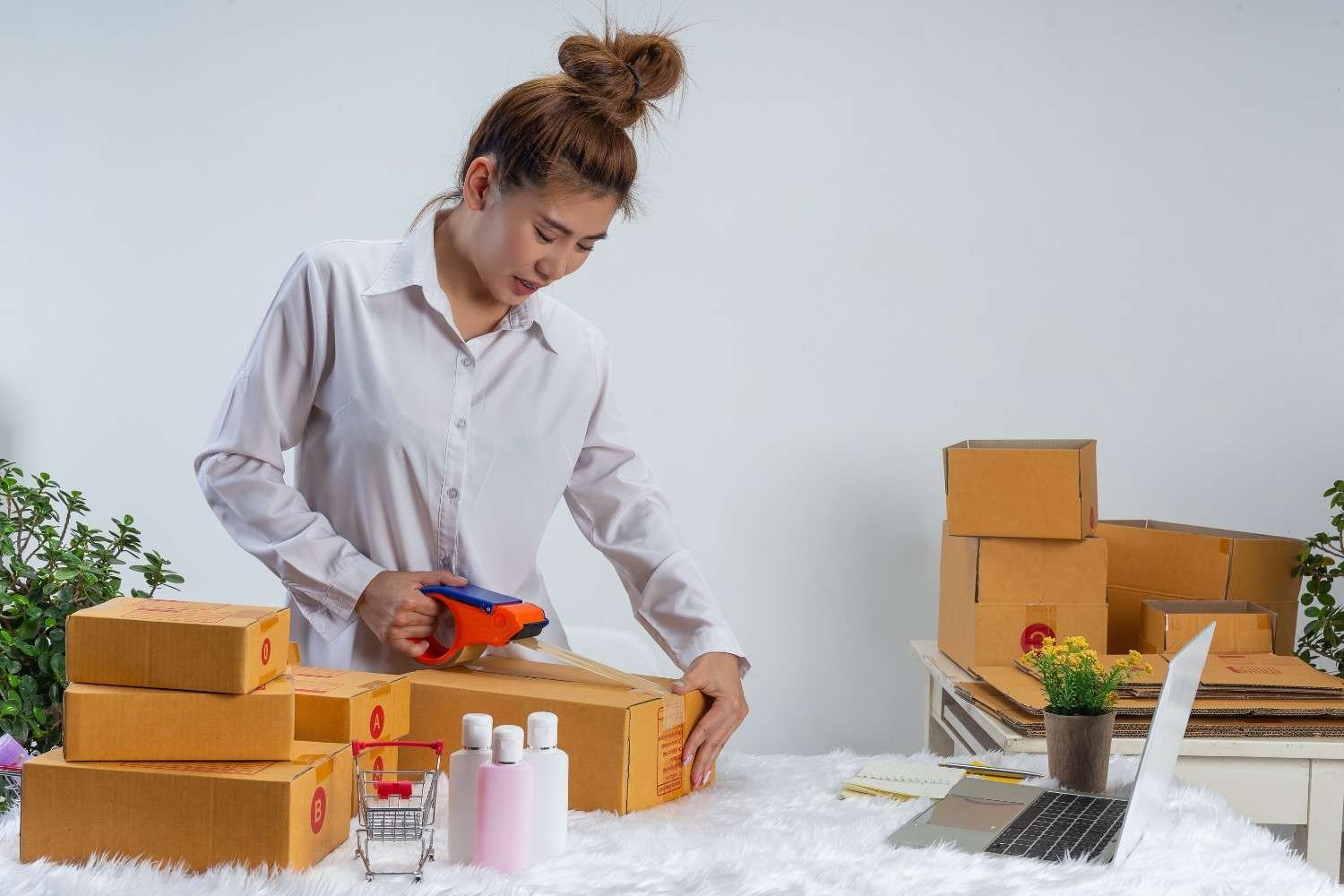
Technology is finding its way onto the physical box. Smart packaging integrates digital elements like QR codes, Near Field Communication (NFC) tags, and Augmented Reality (AR) markers directly into the exterior design.
These interactive features bridge the gap between the physical product and the digital world. A simple scan with a smartphone can provide consumers with detailed product origins, assembly instructions, authenticity verification, or immersive brand stories. This approach not only enhances the consumer experience but also provides companies with valuable data regarding user engagement and supply chain tracking.
4. Enhanced Customization and Personalization
The unboxing experience has become a highly anticipated moment, heavily documented and shared across social platforms. To capitalize on this, companies are investing in personalized packaging solutions that make the consumer feel valued.
Advances in digital printing allow for cost-effective short runs, meaning companies can easily customize boxes with localized designs, seasonal themes, or even individual customer names. This level of personalization transforms a standard delivery into a memorable event, fostering brand loyalty and encouraging organic word-of-mouth promotion.
5. Advanced Manufacturing and Structural Engineering

The physical construction of packaging is undergoing significant improvements due to modern manufacturing techniques. Companies require packaging that is highly durable to withstand the rigors of e-commerce shipping, yet lightweight enough to keep freight costs manageable.
To achieve these specific structural requirements, manufacturers utilize specialized processes. For instance, creating custom shapes and protective tubes often relies on plastic extrusion molding. This process allows for the continuous creation of highly consistent, durable, and lightweight components that can be tailored to the exact specifications of the product being housed. By leveraging precise engineering, companies ensure their products arrive intact while optimizing the use of raw materials.
The Future of the Box
The way products are presented and protected continues to adapt to technological advancements and shifting cultural values. The shift toward sustainability, integrated technology, and thoughtful design reflects a broader understanding of packaging as an extension of the product itself. As manufacturing processes improve and new materials are discovered, companies will continue refining these strategies to deliver safer, smarter, and more environmentally conscious packaging solutions.