
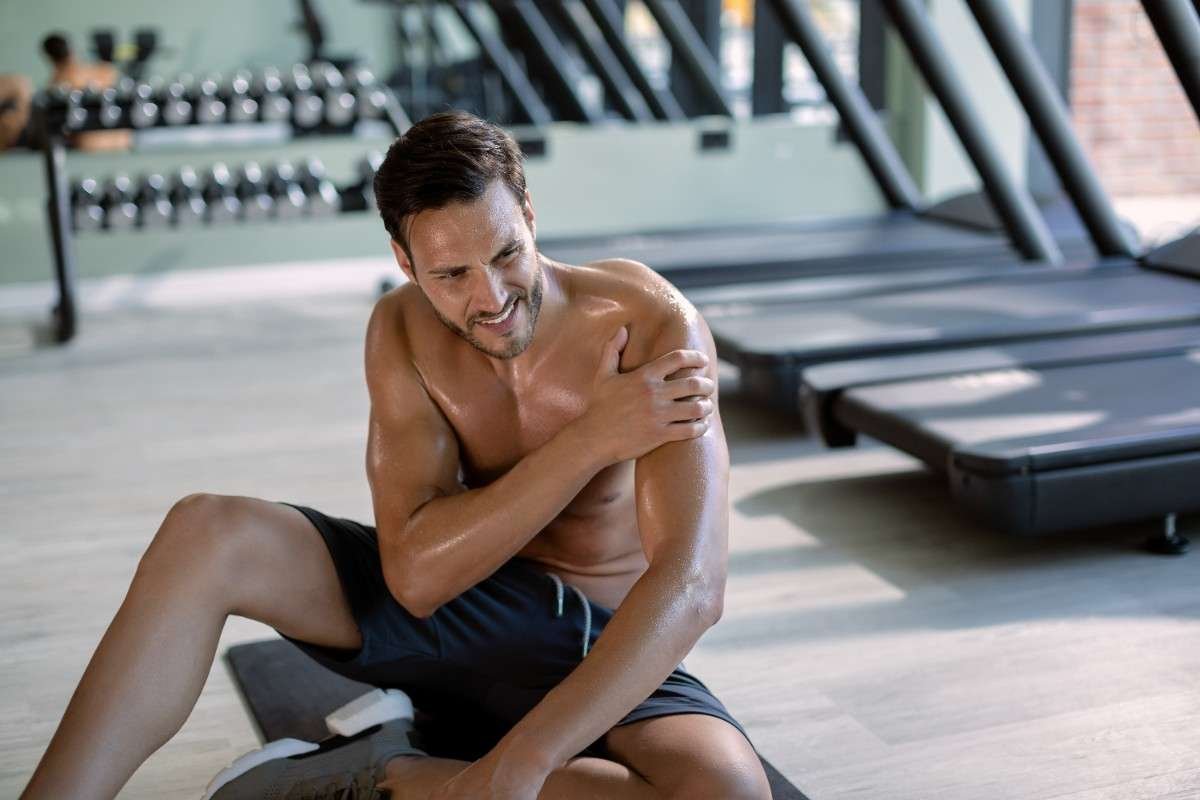
Recovery is the secret sauce to athletic success. We all know the thrill of crushing a workout, but what happens afterward? If you’re not prioritizing recovery, your body isn’t getting the time it needs to repair, rebuild, and perform at its peak.
We’ll explore the best recovery techniques for athletes, breaking them into foundational pillars, active recovery strategies, and advanced recovery modalities. Whether you’re training for your next big game or just looking to improve your fitness routine, these techniques will help you recover like a pro.
Foundational Pillars (The “Big Two”)
When it comes to recovery, there are two non-negotiable pillars every athlete needs to prioritize: sleep and nutrition. These are the essentials that should be the foundation of any recovery routine.
Sleep Optimization
Sleep is arguably the most important recovery technique. During deep sleep, the body releases growth hormones that help repair muscle tissue and replenish energy stores. For athletes, sleep should be a top priority, as it is during rest that the real muscle-building magic happens.
Aim for 7–9 hours of quality sleep each night. Professional athletes often take it a step further, aiming for 10 hours of sleep, with a 30-minute afternoon nap. If you’re serious about your recovery, don’t skimp on sleep—it’s when your body does the heavy lifting to help you come back stronger.
Precision Nutrition & Hydration
Fueling your body properly after a workout is just as important as the workout itself. Nutrition and hydration are the keys to muscle repair and performance enhancement.
Fueling:
After an intense training session, consume a balanced meal with carbohydrates to replenish glycogen and 20–40g of protein to repair muscle fibers. The window for optimal recovery is within 30–60 minutes of finishing your workout. Eating the right nutrients in the right amount helps your body start the repair process as soon as possible.
Hydration:
Proper hydration is also crucial. For every pound of body weight lost during exercise, aim to drink 16–24 ounces of water. Electrolytes like sodium, potassium, and magnesium play an important role in preventing cramps and maintaining fluid balance. Rehydrating properly ensures your muscles are functioning at their best, preventing the fatigue and cramping that can hold you back.
Active Recovery Strategies
While complete rest is an option, active recovery techniques are often superior for keeping your body moving while giving it a chance to repair. These strategies help to clear out metabolic waste, improve circulation, and prepare your muscles for future activity.
Light Aerobic Activity
Engaging in 20–30 minutes of low-intensity movement, such as walking, easy cycling, or swimming, helps keep blood flowing without putting additional strain on your body. Keeping your heart rate between 30–60% of your maximum heart rate ensures you’re providing the body with the recovery it needs without further fatiguing your muscles. This light aerobic activity can help reduce muscle stiffness, improve flexibility, and support circulation to your muscles.
Mobility & Stretching

Stretching is an essential part of an athlete’s recovery routine. Dynamic stretching before workouts prepares your muscles for action, reducing the risk of injury. Static stretching after a workout helps lengthen muscles, reduce stiffness, and promote flexibility. These stretches help to clear out metabolic waste and encourage healthy muscle function, allowing you to feel limber and loose as you recover.
Self-Myofascial Release
Tools like foam rollers and percussion massage guns are great for breaking up fascial adhesions and increasing your range of motion. Myofascial release targets tight spots in your muscles and connective tissue, reducing the feeling of knots and increasing flexibility.
Adding a foam rolling session or a massage with a percussion gun can speed up your recovery time by helping to relax and lengthen muscles while improving circulation.
Advanced Recovery Modalities
Once you’ve mastered the foundational recovery techniques and have incorporated active recovery, it’s time to level up your recovery game. These advanced modalities can target specific areas and enhance your overall recovery strategy.
Cold Water Immersion (Ice Baths)
Cold water immersion is a popular recovery method that involves sitting in ice-cold water (50–59°F or 10–15°C) for 10–15 minutes. This technique helps to reduce inflammation, numb soreness, and promote faster recovery. It’s particularly effective when used after high-intensity workouts, especially if you’re prone to soreness. However, avoid frequent use after strength or hypertrophy sessions, as cold water immersion can blunt muscle growth signals by constricting blood flow.
Compression Therapy

Compression garments or pneumatic boots (like Normatec) apply pulsing pressure to your limbs, improving circulation and reducing swelling. These devices help speed up the removal of metabolic waste products and provide a sense of relief by promoting muscle recovery. Compression therapy is especially effective for reducing swelling after intense training and improving the overall feeling of tired, stiff muscles.
Heat & Contrast Therapy
Heat therapy, such as using a sauna or taking a hot bath, promotes muscle relaxation and cardiovascular function. It helps to increase blood flow to muscles, encouraging repair. Contrast therapy, which involves alternating between hot and cold treatments, can be especially beneficial by stimulating circulation and improving lymphatic drainage. The “pumping” effect helps flush out toxins and reduce muscle soreness, so you feel more rejuvenated post-workout.
Supplements for Recovery
There are several evidence-based supplements that can assist with muscle recovery. Creatine monohydrate has been shown to help with muscle damage repair and enhance performance. Tart cherry juice is known for reducing inflammation and aiding in muscle recovery, while magnesium plays a key role in muscle relaxation and promoting better sleep. Taking the right supplements in conjunction with your recovery techniques can give your body an extra edge in repairing and rebuilding.
How to Recover Like a Pro: A Step-by-Step Guide
If you’re wondering how to implement all these recovery techniques, here’s a simple step-by-step guide:

Step 1: Prioritize Sleep
Focus on getting 7–9 hours of sleep every night. Create a sleep routine that helps you unwind, such as reading a book, practicing relaxation techniques, and ensuring your room is dark and cool.
Step 2: Refuel After Workouts
Within an hour of finishing your workout, have a balanced meal containing protein and carbohydrates to help repair your muscles. Don’t forget to hydrate well to replenish lost fluids.
Step 3: Incorporate Active Recovery
On your off days, focus on light aerobic activity like walking or swimming for 20–30 minutes to keep your body moving and help clear out lactic acid from your muscles.
Step 4: Stretch and Release Tension
After workouts, take 10–15 minutes to stretch your muscles and foam roll. This will help reduce tightness and stiffness, so you can feel looser and more flexible for your next session.
Step 5: Experiment with Advanced Modalities
For extra recovery, consider incorporating cold water immersion or contrast therapy after intense workouts. Compression therapy can also be a great addition, especially for reducing swelling.
Frequently Asked Questions
1. How much sleep do I need to recover properly?
Most athletes should aim for 7–9 hours of quality sleep each night. Professional athletes may sleep up to 10 hours, with additional naps, to fully optimize recovery.
2. Is hydration important for recovery?
Absolutely! Proper hydration is critical for muscle function and nutrient delivery. Drink water throughout the day, especially after workouts, and replenish electrolytes lost through sweat.
3. Can compression garments help with muscle recovery?
Yes, compression garments help reduce swelling, improve circulation, and speed up muscle recovery by promoting better blood flow to the muscles.
4. How can I reduce muscle soreness after a workout?
Incorporate active recovery, like light aerobic exercises, stretching, and foam rolling. Cold water immersion or contrast therapy can also help reduce inflammation and soreness.
Don’t Skip Recovery – It’s Essential for Your Success
Let’s face it—recovery is the unsung hero of your fitness journey. While it may not be as exciting as hitting a personal best or seeing new gains, it’s what allows your body to bounce back stronger.
By prioritizing sleep, nutrition, hydration, and active recovery, you’re setting yourself up for long-term success. So, don’t neglect your recovery—recover as hard as you train, and you’ll see the results in no time.