
As I entered my 40s, I realized something important: aging doesn’t have to mean slowing down or accepting a decline in my health. Instead, it could be the start of a new, vibrant chapter of my life. Healthy aging isn’t about finding a quick fix but about adopting habits that nourish your body, mind, and soul.
Through trial and error, I’ve discovered a set of healthy aging tips that have worked wonders for me—and I’m excited to share them with you. These are easy, realistic steps that will help you maintain your strength, independence, and joy in the years to come. Ready? Let’s jump into it!
How Can Physical Activity Help with Healthy Aging?

We all know exercise is important, but as we age, it becomes even more crucial to stay active. I’ve learned that physical activity is the #1 habit to age well, and trust me, it doesn’t take hours at the gym. It’s about consistency and balance.
Why is Exercise So Important?
As I’ve gotten older, I’ve noticed that I feel better when I move. Regular exercise keeps my muscles strong, my bones healthy, and my heart in great shape. It also boosts my mood and keeps stress at bay. I’m not saying you need to run marathons, but simple activities like walking, swimming, and yoga make a big difference.
I aim for 150 minutes of moderate activity per week. This can easily be broken down into 10–30-minute sessions. For example, three days a week, I do some light strength and balance exercises, and on the other days, I focus on aerobic activities like brisk walking or cycling.
Here’s my typical week of exercise:
| Day | Activity Type | Examples |
| Monday/Wednesday/Friday | Strength & Balance | Chair squats, wall push-ups, single-leg stands |
| Tuesday/Thursday/Saturday | Aerobic (Cardio) | Brisk walking, swimming, stationary cycling |
| Sunday | Active Rest | Gentle stretching or a leisurely walk |
What Foods Should I Eat to Age Healthily?

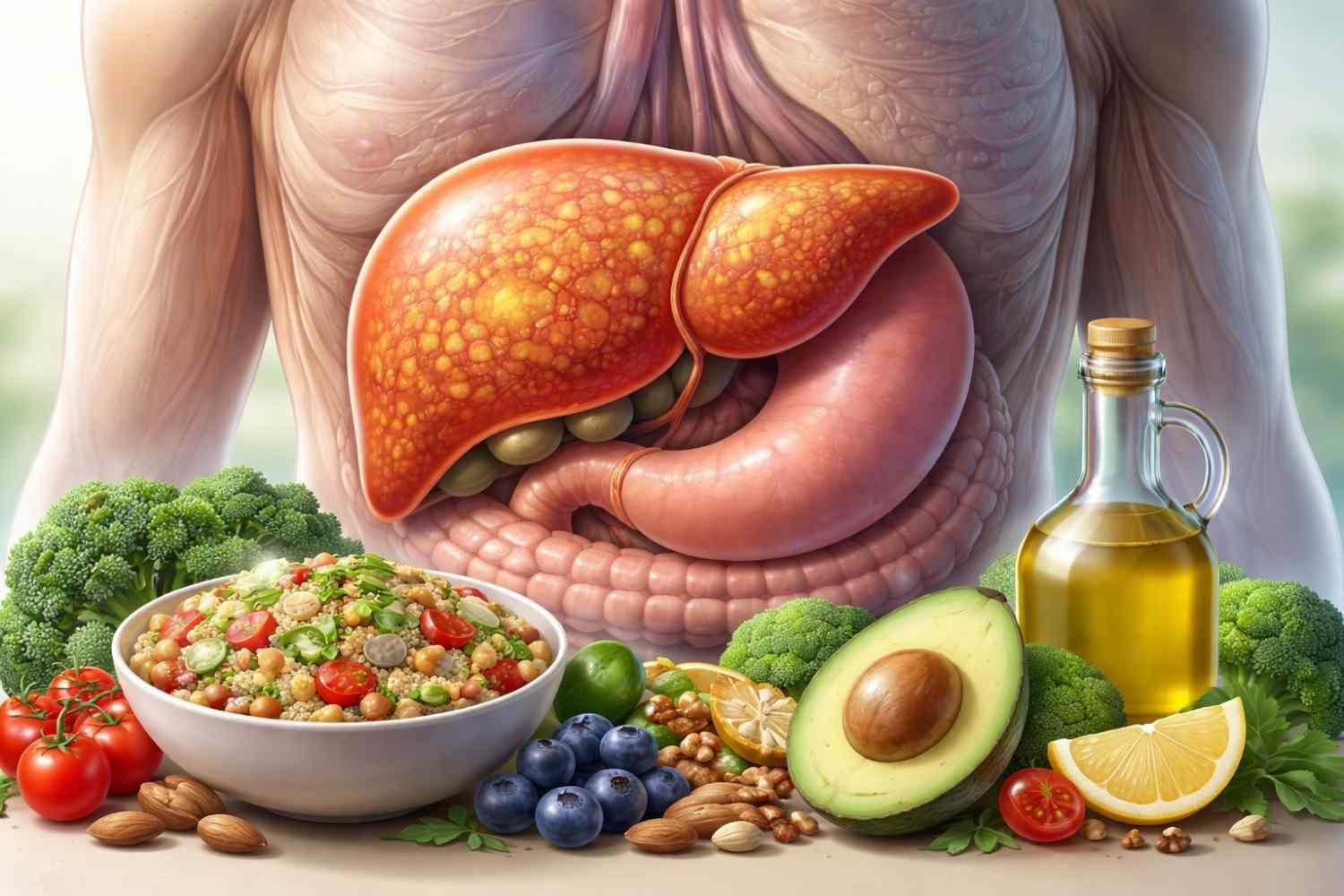
Eating for healthy aging is about nourishing your body, not depriving it. I’ve found that sticking to a Mediterranean diet—rich in whole foods, healthy fats, and lean proteins—has been a game-changer.
The Power of the Mediterranean Diet
The Mediterranean diet focuses on fruits, vegetables, whole grains, and healthy fats like olive oil and fish, which help reduce inflammation and support brain and heart health. I’ve embraced it wholeheartedly, and I feel more energized and sharper than ever.
One of my favorite meals is a big salad with mixed greens, roasted vegetables, olive oil dressing, and a grilled chicken breast. I’m not saying you have to be perfect, but incorporating these nutritious foods into your meals can make a big impact.
Nutrients to Focus On
As we age, certain nutrients become even more important. I make sure to get enough calcium and Vitamin D to support my bones, as well as fiber to keep my digestive system running smoothly. And of course, I stay hydrated. I’ve noticed that I don’t feel thirsty as often as I used to, so I make a point to drink water throughout the day—even if I’m not thirsty.
How Do Social Connections Affect Healthy Aging?

Social connections are just as vital to aging well as diet and exercise. Loneliness can lead to depression and cognitive decline, so I’ve made it a priority to stay socially engaged with family and friends.
Why Stay Connected?
I find that regular interactions with loved ones, whether it’s a coffee date or a phone call, have a huge impact on my mental health. When I spend time with people who uplift me, I feel happier and less stressed. Plus, staying socially active encourages me to get out of the house, which is a great motivator to stay physically active as well.
Getting Involved in the Community
I also volunteer with a local charity, and it’s been a rewarding experience that’s connected me with others who share similar interests. Being part of a community can improve your mental and emotional health, and let’s be honest, it’s fun!
How Can You Keep Your Mind Sharp as You Age?

I’ve learned that healthy aging isn’t just about the body—it’s also about the brain. Staying mentally active is key to preventing cognitive decline, and there are so many ways to keep your brain engaged.
Simple Cognitive Exercises
I enjoy challenging myself with puzzles, crosswords, and even learning new skills, like picking up a new hobby or language. I recently started learning how to play the ukulele, and let me tell you, it’s been a blast! Not only does it keep my brain sharp, but it’s also a fun and fulfilling activity that makes me feel accomplished.
Sleep for Your Brain
Another aspect I’ve focused on is sleep. I aim for 7–9 hours of quality sleep each night, and I can honestly say that it makes all the difference. My mind feels clearer, and I’m much more focused during the day. To improve my sleep, I’ve made some simple changes—like avoiding screens an hour before bed and sticking to a consistent sleep schedule.
How Can You Safeguard Your Health with Preventative Care?
Aging well is all about being proactive, not reactive. I make it a point to visit my doctor regularly for check-ups and screenings, like blood pressure and cholesterol tests, which help me stay on top of my health.
Medication Review and Screenings
I also review all my medications and supplements with my doctor every year. This helps prevent harmful drug interactions and ensures that I’m not taking anything I don’t need. Regular screenings, like for cancer or diabetes, are also essential to catching health problems early.
What Is the Best Mindset for Healthy Aging?
Finally, the most important tip I can share is the mindset. A positive outlook can make a huge difference in how you age. I’ve found that embracing aging with optimism is not only empowering but also essential for my well-being.
Embracing Change
Rather than focusing on what I can’t do, I focus on what I can do. Aging is about adapting to changes and finding new ways to stay active, healthy, and happy. The more I embrace it, the more fulfilling my life feels.
Stay Fabulous at Any Age
Aging is inevitable, but it doesn’t mean we have to slow down or settle for a decline in our health. By adopting a routine of physical activity, eating nutrient-rich foods, staying socially engaged, and maintaining a positive mindset, you can age like a fine wine—with grace, health, and vitality.
One tip I’ll leave you with: Don’t wait for tomorrow—start small today. Whether it’s adding a walk to your day or cooking a Mediterranean-inspired meal, every little step counts toward a healthier, more vibrant future.
FAQs on Healthy Aging
1. What are the first steps to start healthy aging?
Start by incorporating physical activity into your daily routine. Whether it’s a short walk or a few strength exercises, movement is the foundation of healthy aging. Focus on small changes, and gradually add more as you feel comfortable.
2. How do I know if I’m eating the right foods for aging?
Focus on whole, plant-based foods. The Mediterranean diet is an excellent model, emphasizing fruits, vegetables, lean proteins, and healthy fats. Aim to limit processed sugars and saturated fats. If it’s fresh and nutrient-dense, it’s likely good for aging!
3. Can mental stimulation really prevent cognitive decline?
Yes! Activities like puzzles, learning new skills, and staying socially engaged help maintain brain function. Challenge yourself mentally to keep your mind sharp, whether through learning a new hobby or practicing a new language.
4. How much sleep do I need for healthy aging?
Aim for 7–9 hours of quality sleep every night. Sleep helps the body repair itself and supports cognitive function. Good sleep hygiene, such as sticking to a sleep schedule and avoiding screens before bed, can improve sleep quality.