A few years ago, I remember sitting in my doctor’s office, anxiously awaiting the results of my latest checkup. When the nurse handed me the report, I was shocked to see that my cholesterol levels were higher than normal.
Heart disease wasn’t something I thought about often, but at that moment, I realized it was time to make some changes. Preventing heart disease is something we can all take charge of, no matter where we’re starting from. In this post, I’ll walk you through how to prevent heart disease and keep your heart healthy for years to come.
Why Preventing Heart Disease Matters
Heart disease is the leading cause of death in the U.S., but here’s the good news: 80-90% of cardiovascular diseases are preventable through education and lifestyle changes. Preventing heart disease involves managing risk factors.
Like high blood pressure, cholesterol, and blood sugar, and making healthy lifestyle choices every day. It’s never too early to start, and every step you take today can help you build a healthier tomorrow.
How to Prevent Heart Disease: Manage Your “Numbers”
Yep, an easy way to prevent heart diseases is to keep your health under track:
Blood Pressure: The Foundation of Heart Health

Managing blood pressure is a critical step in preventing heart disease. High blood pressure often has no symptoms, so regular checkups are essential. Aim to keep your blood pressure below 120/80 mm Hg. If it’s elevated, monitor it regularly and make lifestyle changes like reducing sodium, exercising more, and managing stress.
Cholesterol: Keep the “Bad” in Check
Cholesterol screening is vital for heart disease prevention. High LDL cholesterol, or “bad” cholesterol, can clog arteries and increase heart attack risk. Get a cholesterol screening every 4 to 6 years. If your LDL is high, reduce saturated fats, avoid trans fats, and increase fiber-rich foods to help lower cholesterol levels.
Blood Sugar: Control Diabetes to Protect Your Heart
For those with diabetes or prediabetes, controlling blood sugar is essential for heart health. High blood glucose can damage blood vessels and the heart over time. Regularly monitor your blood sugar and manage it with diet, exercise, and medication. Even small changes, like cutting back on sugar and increasing physical activity, can help protect your heart.
How to Prevent Heart Disease: Adopt a Heart-Healthy Diet
As the saying goes, “Eat healthy, to stay healthy.” Doing just that will help prevent heart diseases:
Fill Your Plate with Whole Foods

A heart-healthy diet is essential for preventing heart disease. Focus on whole foods like fruits, vegetables, whole grains, legumes, and lean proteins such as fish. The DASH and Mediterranean Diets are excellent options, rich in fiber, antioxidants, and healthy fats, which help lower cholesterol and reduce inflammation.
Limit Salt and Unhealthy Fats
Cutting back on salt and unhealthy fats is vital for heart health. Aim for less than 2,300 mg of sodium daily, or ideally under 1,500 mg if you have high blood pressure. Reduce saturated fats from red meat and full-fat dairy, and avoid trans fats, which raise cholesterol and increase heart disease risk.
Cut Back on Sugar and Alcohol
Excess sugar contributes to weight gain, high blood pressure, and heart disease risk. Be mindful of added sugars in processed foods and sodas. Moderating alcohol intake can benefit heart health—limit it to one drink per day for women and two for men to avoid high blood pressure and heart disease.
How to Prevent Heart Disease: Stay Physically Active
Keeping your body on the move keeps your heart not just healthy but also your mind. Know how to do stay physically active:
Regular Exercise is Essential

Exercise is a cornerstone of heart disease prevention. Aim for at least 150 minutes per week of moderate-intensity aerobic activity, such as brisk walking, cycling, or dancing. Regular physical activity strengthens your heart, improves circulation, and helps maintain a healthy weight, all of which reduce the risk of heart disease. If you prefer more intense workouts, aim for 75 minutes per week of vigorous activity, such as running or jogging.
Strength Training for a Stronger Heart
In addition to aerobic exercise, including muscle-strengthening activities at least two days a week is important for overall heart health. Strength training helps build lean muscle mass, boosts metabolism, and improves cardiovascular fitness. Plus, it can help you maintain a healthy weight, which is a key factor in preventing heart disease.
How to Prevent Heart Disease: Lifestyle Choices Matter
Quit Smoking to Protect Your Heart
Quitting smoking is the most important thing you can do for your heart. Smoking damages blood vessels, raises blood pressure, and increases the risk of blood clots, all of which contribute to heart disease. Seek help through support groups, nicotine replacement therapies, or online programs to quit.
Maintain a Healthy Weight

Carrying extra weight, especially around your waist, increases your risk of heart disease. Extra fat contributes to high blood pressure, high cholesterol, and diabetes. Even losing just 5% to 10% of your body weight can significantly lower your heart disease risk. Focus on a balanced diet and regular exercise.
Prioritize Sleep and Manage Stress
Getting 7 to 9 hours of quality sleep is crucial for heart health. Sleep deprivation can raise blood pressure and increase heart disease risk. If you suffer from sleep apnea, seek treatment. Managing stress with techniques like meditation or yoga can help lower blood pressure and reduce heart disease risk.
Frequently Asked Questions (FAQs)
1. Can I Prevent Heart Disease if I Have a Family History?
Yes! While genetics play a role, lifestyle choices have a much stronger influence on heart disease. By eating a heart-healthy diet, exercising regularly, and managing stress, you can significantly reduce your risk—even if heart disease runs in your family.
2. What Foods Should I Avoid to Prevent Heart Disease?
To prevent heart disease, it’s important to avoid foods high in saturated fats, trans fats, and refined sugars. Limit processed meats, full-fat dairy, sugary drinks, and snacks. Instead, focus on eating more fruits, vegetables, whole grains, and lean proteins.
3. How Can I Lower My Cholesterol Naturally?
To lower your cholesterol naturally, focus on eating foods high in fiber, like oats and beans. Incorporate healthy fats such as those found in olive oil, avocado, and fatty fish. Regular exercise, weight management, and quitting smoking also play a crucial role in lowering cholesterol.
Take Action Today for a Healthy Heart
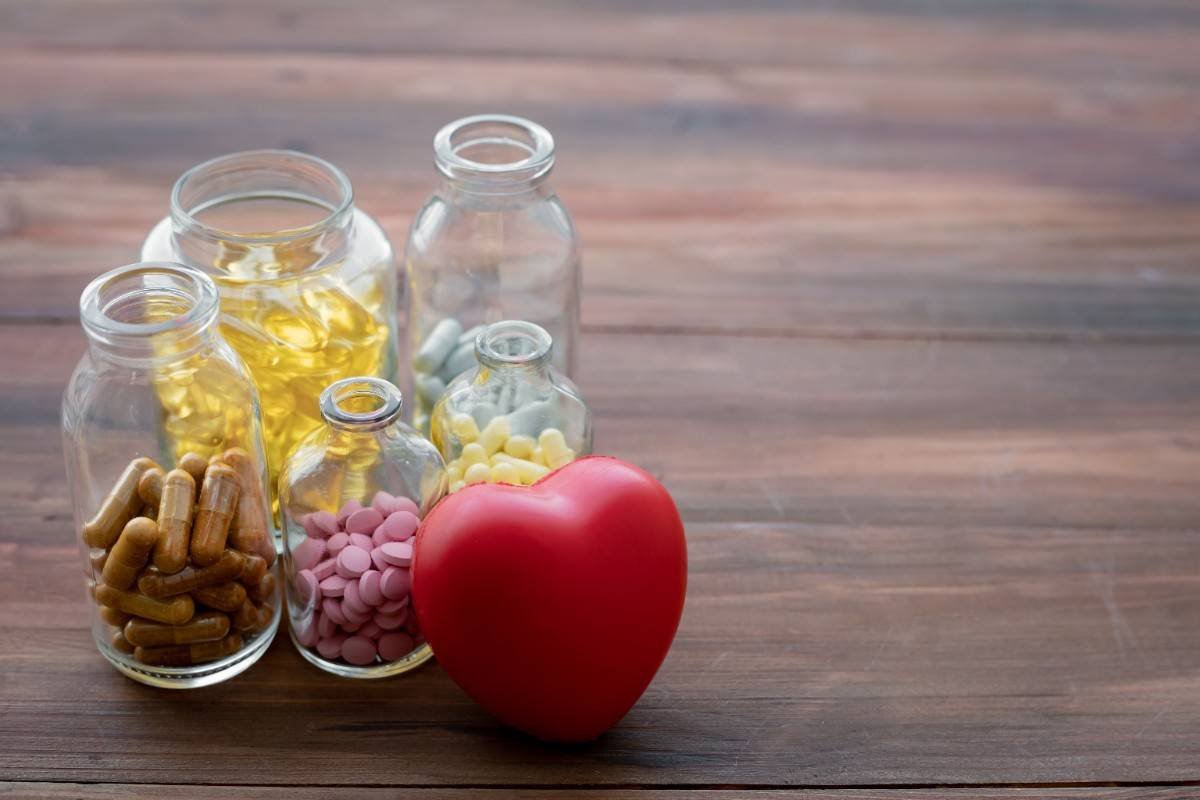
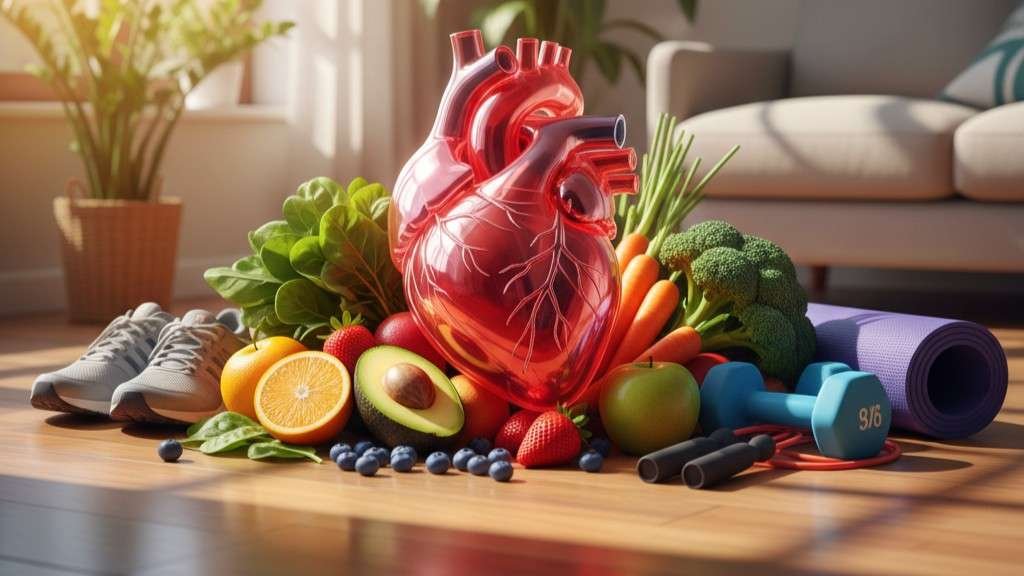
Preventing heart disease isn’t about making huge changes overnight—it’s about taking small steps every day to protect your most important organ. By managing your health numbers, adopting a heart-healthy diet, staying active, and making smart lifestyle choices, taking heart supplements. You can significantly reduce your risk of heart disease.
So, what are you waiting for? Start today, take care of your heart, and enjoy the peace of mind that comes with knowing you’re doing everything you can to keep it strong for years to come!