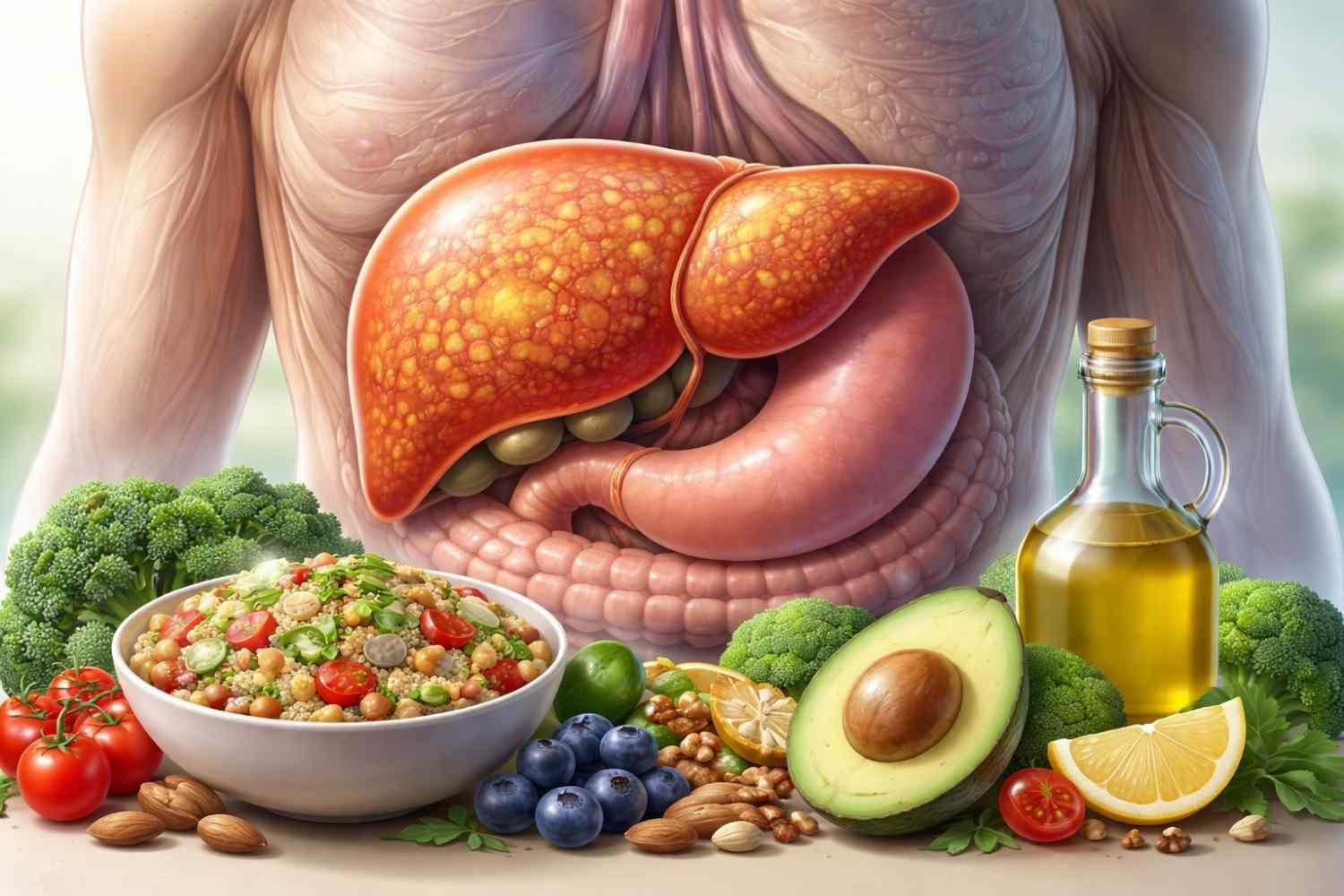
Non-alcoholic fatty liver disease (NAFLD), now called metabolic dysfunction-associated steatotic liver disease (MASLD), is a rising concern in the US. It often progresses without obvious symptoms but significantly increases the risk of heart disease, stroke, and type 2 diabetes.
The good news? Lifestyle changes for non-alcoholic fatty liver disease are the most effective way to manage and even reverse liver damage. Unlike many conditions, where medication is the only option, lifestyle changes for non-alcoholic fatty liver disease offer a natural path to better liver health.
Let’s dive into the four key pillars of managing NAFLD: weight loss, dietary modifications, physical activity, and protective habits. These lifestyle changes are your best bet for slowing, stopping, and even reversing liver damage.
1. Targeted Weight Loss: The Key to Reducing Liver Fat
When it comes to managing NAFLD, weight loss is the most effective strategy to reduce liver fat and inflammation. I’ve learned from personal experience and research that even modest weight loss can have a profound impact on liver health.
How much weight should you lose?
- 3–5% weight loss: This can begin to reduce hepatic steatosis (liver fat).
- 7–10% weight loss: Necessary to resolve inflammation (steatohepatitis) and improve liver scarring (fibrosis).
- Lean NAFLD: If you have a normal BMI, even a 3-5% weight loss can still make a difference.
Even if you’re not overweight, weight loss can still significantly improve liver health by reducing fat and improving insulin sensitivity.
2. Dietary Modifications: The Right Foods for Liver Health
What we eat has a direct impact on NAFLD. Over the years, I’ve seen how dietary changes can positively affect liver health, making a clear difference in my own journey. If you’re dealing with NAFLD, here’s what to include—and what to avoid—in your diet:
Include the Mediterranean Diet

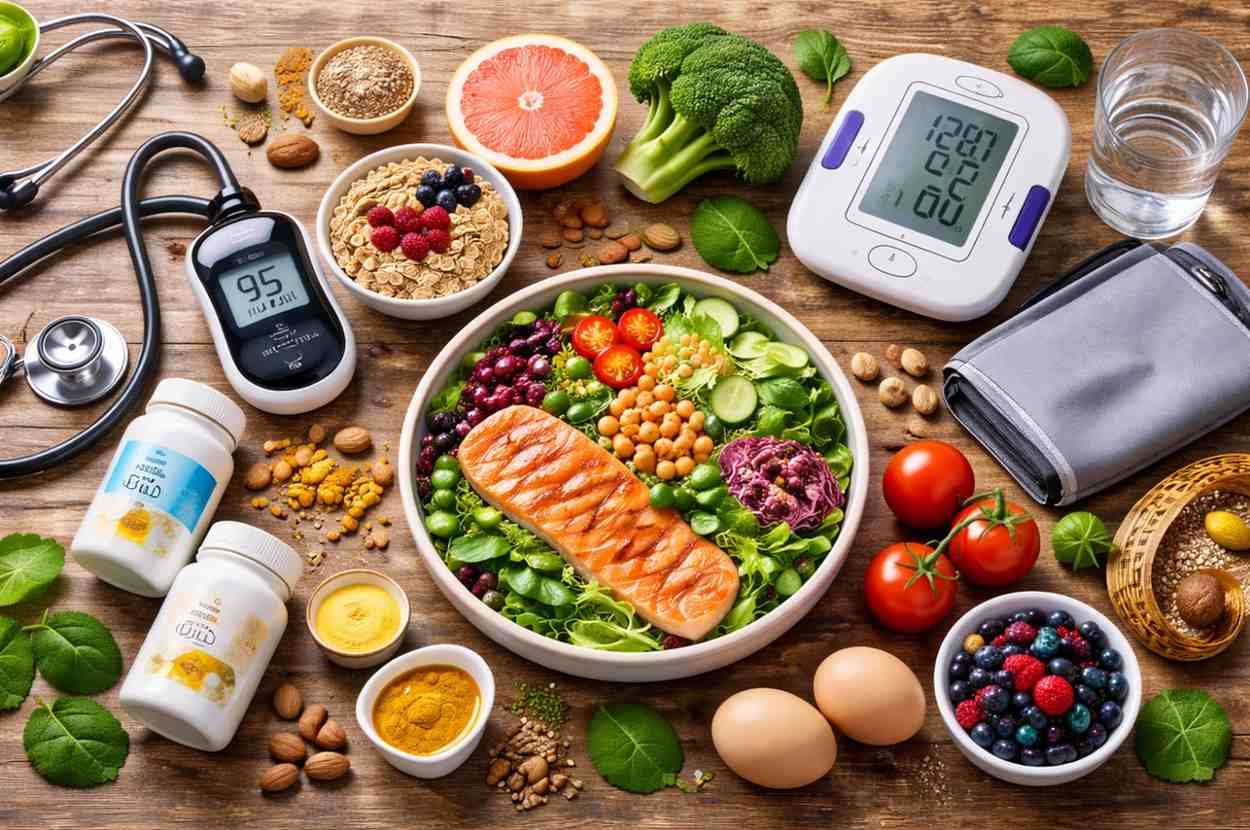
The Mediterranean diet is widely recommended for its anti-inflammatory properties, which help reduce liver fat and inflammation. Here’s what I focus on:
- Fruits and vegetables: Rich in vitamins, antioxidants, and fiber.
- Whole grains: Oats, quinoa, and brown rice help regulate blood sugar.
- Nuts and legumes: Walnuts, almonds, chickpeas, and lentils provide healthy fats and protein.
- Lean proteins: Fish (especially fatty fish like salmon) and plant-based proteins.
Healthy Fats Are Crucial
I made sure to prioritize healthy fats from foods like olive oil, avocados, and nuts. These unsaturated fats help reduce inflammation and improve liver function.
Limit Sugar and Refined Carbs
Eliminating sugar-sweetened beverages, white bread, and processed snacks was a game-changer for my liver health. These foods cause blood sugar spikes, leading to increased fat accumulation in the liver. Instead, I focused on fiber-rich foods that help manage blood sugar levels.
Coffee: A Liver-Friendly Beverage
A surprising addition to my routine? Coffee. Drinking 2–3 cups of black coffee daily can help lower liver enzymes and reduce the risk of advanced liver disease.
3. Physical Activity: Exercise to Reduce Liver Fat
Exercise has a massive impact on managing NAFLD, even if weight loss isn’t the main goal. Regular physical activity helps reduce liver fat and improve liver function, even without significant weight loss. Here’s what worked for me:
Aerobic Exercise:
- Aim for 150–300 minutes of moderate-intensity aerobic activity (like brisk walking or cycling) or 75–150 minutes of vigorous-intensity aerobic exercise per week.
Resistance Training:
- Strength training, like weightlifting, is just as effective at reducing liver fat. It also helps prevent muscle loss, which is crucial if you have sarcopenia (muscle wasting).
Reduce Sedentary Time:
- Breaking up long periods of sitting with even light movement has metabolic benefits. I make a point to stand up and stretch every 30 minutes or so to keep my metabolism active.
4. Protective Habits: Safeguard Your Liver Health
Managing NAFLD involves not just the right diet and exercise but also adopting protective habits that reduce liver strain.
Abstain from Alcohol

Drinking alcohol can exacerbate liver damage and increase the risk of liver cancer in people with NAFLD. I stopped consuming alcohol to give my liver the best chance of healing and functioning properly.
Quit Smoking
Smoking accelerates liver fibrosis and increases cardiovascular risk. Since I quit smoking, I’ve noticed improved liver function and a lower risk of complications.
Improve Sleep Quality
Getting 7–9 hours of quality sleep each night is essential for liver health. Poor sleep disrupts metabolic hormones and increases liver fat. To improve my sleep, I’ve followed a consistent bedtime routine and cut down on screen time before bed.
Manage Comorbidities
Treating related conditions, such as type 2 diabetes, high blood pressure, and high cholesterol, is key to slowing the progression of NAFLD. I’ve worked closely with my doctor to ensure my blood sugar, blood pressure, and cholesterol levels are well managed.
Frequently Asked Questions (FAQs)
1. How long will it take to see results from these lifestyle changes?
You may start seeing improvements in energy levels, weight loss, and liver function within a few weeks. However, significant long-term changes, like reducing liver fat, may take several months.
2. Can exercise alone help manage NAFLD?
Yes! Exercise, even without weight loss, has been shown to reduce liver fat. Both aerobic and resistance training are effective.
3. How can I reverse fatty liver disease?
By adopting the right dietary changes, regular exercise, and protective habits like quitting smoking and alcohol, you can significantly reduce liver fat and improve liver function.
Conclusion
Managing non-alcoholic fatty liver disease (NAFLD) can feel overwhelming, but with the right lifestyle changes for non-alcoholic fatty liver disease, it’s possible to reverse liver damage and improve overall health.
Start with small, sustainable changes—like focusing on a Mediterranean diet, staying active, and prioritizing sleep. Before you know it, you’ll feel healthier, more energized, and well on your way to a liver-friendly lifestyle.