
We all know that good health is the foundation for living a fulfilling life, but the tricky part is figuring out how to stay ahead of potential health problems. I’ve learned that the best way to take charge of my well-being is through preventive healthcare strategies.
Instead of waiting for an illness or condition to arise, I focus on taking action early to keep my body and mind in tip-top shape. Trust me, these strategies have made a world of difference in how I feel every day.
What Are Preventive Healthcare Strategies?

Preventive healthcare strategies focus on taking proactive steps to identify and address health risks before they escalate into serious problems. The goal is simple: prevent illness and manage risk factors before they develop into chronic conditions. You’re essentially getting ahead of the game.
When I started incorporating preventive healthcare into my routine, it wasn’t just about visiting the doctor more often; it was about a lifestyle shift. Small daily habits can make a huge difference. The more I learned, the more I realized that taking control of my health early can prevent the need for treatments down the road—and that’s where the power of prevention lies.
How Can You Start Using Preventive Healthcare Strategies?
Focus on Your Lifestyle
First things first: take a hard look at your daily habits. What you eat, how active you are, how well you sleep—all of these things influence your health now and in the future. I started by making small changes.
Adding more fruits and veggies to my diet, committing to regular exercise, and setting a consistent sleep schedule—these are the kinds of changes that keep chronic conditions at bay.
A few of the most effective strategies I’ve incorporated include:
- Balanced Nutrition: I shifted to a Mediterranean-style diet—lots of vegetables, whole grains, lean protein, and healthy fats. It’s not about restriction but rather about nourishing my body with the right foods.
- Exercise: I aim for at least 150 minutes of moderate exercise a week. Whether it’s a brisk walk, a short jog, or a dance class, staying active keeps my heart and body strong.
- Stress Management: Finding ways to relax and recharge has been crucial. I practice mindfulness and meditation regularly, and I’ve noticed a huge difference in my overall stress levels.
By focusing on these basic elements, I’ve found that my energy levels are higher, I sleep better, and I feel more prepared for whatever life throws my way.
Why Are Regular Screenings So Important?

Screenings are one of the cornerstones of preventive healthcare. I used to think screenings were just something my doctor recommended, but now I understand their true importance. They can catch problems early, sometimes even before you have any symptoms.
For example, I’ve always kept up with my blood pressure and cholesterol checks. I know that blood pressure should stay under 120/80, and regular cholesterol checks can help prevent heart disease.
These simple tests provide early warnings that can save lives. In fact, I even caught a potential issue with my cholesterol levels early, and making changes in my diet and lifestyle prevented further complications.
Other important screenings to consider:
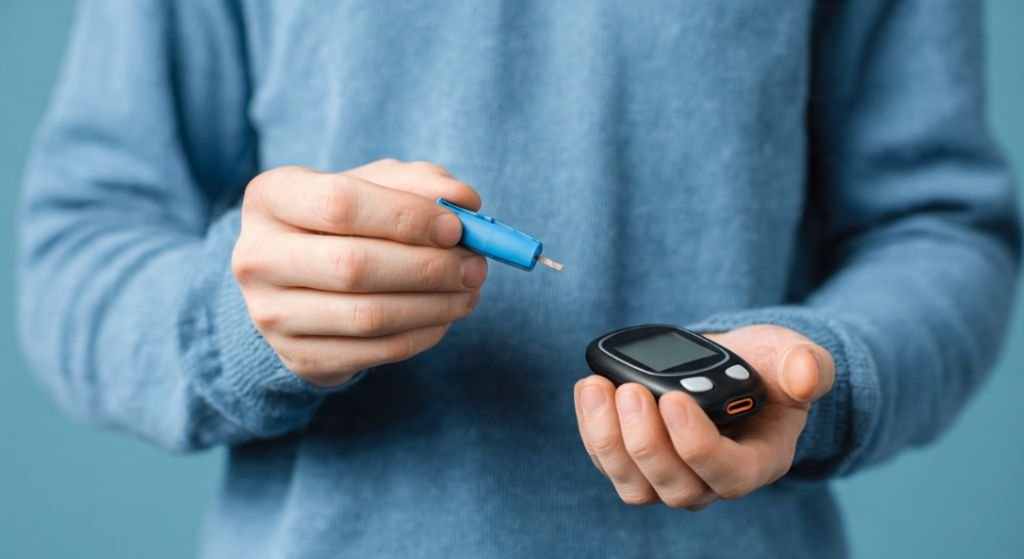
- Blood Sugar: Checking for signs of pre-diabetes or Type 2 diabetes. Getting this checked every few years can prevent long-term complications.
- Colorectal Cancer: Starting at age 45, screenings like colonoscopies or stool tests can help detect cancer early and improve survival rates.
- Cognitive Health: Annual screenings for dementia or early cognitive decline can help manage any potential memory issues.
Getting these screenings on a regular basis has been a game-changer for me. It gives me peace of mind and allows me to address potential risks before they become problems.
How to Create a Preventive Healthcare Routine

Step 1: Start With Nutrition
I knew that eating well would be essential for my health, but it didn’t mean I had to give up everything I loved. I started by making simple swaps—more vegetables, less processed food—and gradually, I found my body craved healthier options. A balanced diet supports a strong immune system, helps maintain a healthy weight, and keeps chronic conditions at bay.
Step 2: Get Active
Getting in regular exercise is key. For me, that means aiming for at least 150 minutes of moderate activity a week. I mix it up: brisk walks, swimming, yoga, and sometimes a bike ride. These activities not only help keep me physically fit but also support heart health and overall wellness.
Step 3: Checkups and Screenings
I’ve learned that regular checkups with my doctor are non-negotiable. From annual blood pressure checks to cholesterol testing, these screenings give me the information I need to adjust my health habits as needed.
Step 4: Prioritize Mental Health
Stress and anxiety can have major effects on physical health. I’ve incorporated practices like meditation and mindfulness into my daily routine, and it’s made a world of difference in how I manage stress.
Step 5: Rest and Recovery
Good sleep is essential for health, so I ensure I get 7-9 hours of sleep every night. Rest is when my body repairs itself and maintains all those systems that keep me running.
Preventive Healthcare FAQs
1. What screenings should seniors have for preventive healthcare?
For seniors, key screenings include blood pressure, cholesterol, blood sugar, and colon cancer screenings (if not already done). Bone density testing at 65 for osteoporosis, cognitive health screenings for dementia, and vision/hearing tests should also be part of regular health maintenance.
2. How often should I get a cholesterol screening?
If you’re over 65, the American Heart Association recommends getting a full lipid panel (total, LDL, HDL, and triglycerides) annually. However, your doctor may suggest more frequent testing if you’re at higher risk for heart disease.
3. Can lifestyle changes alone prevent chronic diseases?
Yes! While genetics play a role, lifestyle factors like diet, exercise, and managing stress can significantly reduce the risk of chronic diseases like heart disease, diabetes, and certain cancers. Starting with small, consistent changes can make a big impact.
4. What role do vaccinations play in preventive healthcare?
Vaccinations, such as the flu vaccine, COVID-19 boosters, and shingles shots, help protect against serious illnesses, especially for seniors. Staying current with these vaccines is an essential part of a preventive healthcare routine.
Wrapping Up: Preventive Healthcare, Your Secret Weapon
Taking charge of your health early on is the best investment you can make. Preventive healthcare strategies have not only helped me feel more energized and confident, but they’ve also kept me ahead of potential health risks.
It’s all about small, consistent actions—like improving nutrition, staying active, and getting regular checkups—that add up over time.
Here’s a personal tip: don’t wait for a wake-up call to take action. Start now—because the best time to improve your health is always today. You’ve got this!