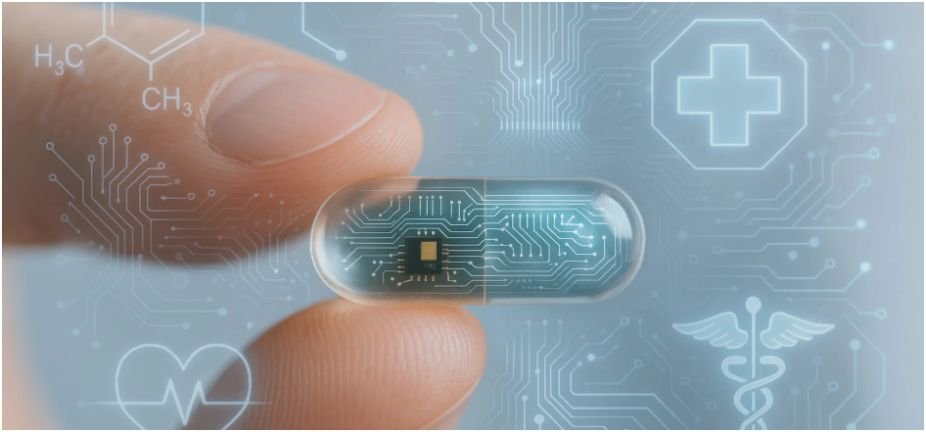
As someone who’s always been intrigued by health, wellness, and the future of medicine, I’ve found myself constantly researching new advancements in healthcare. One innovation that has really caught my attention is precision medicine.
This approach is revolutionizing how we think about disease prevention and treatment. Instead of the traditional “one-size-fits-all” methods, precision medicine tailors treatment based on your genetic makeup, lifestyle, and environment.
But what exactly does this mean for you? Well, let me walk you through the science of precision medicine, and how it’s influencing the way we live healthier, more personalized lives.
What Makes Precision Medicine Different?

You’ve probably heard the term “personalized medicine” tossed around, but the real magic behind precision medicine is its use of detailed data to craft a treatment plan that’s unique to you. It’s about identifying the right patient, the right drug, the right time, the right dose, and the right route. That’s a lot of rights, but each one matters in ensuring the most effective care.
What is Omics Profiling?
Imagine your entire biological landscape—your genes, proteins, and metabolism—being mapped out and analyzed in one go. That’s omics profiling for you. With the help of technologies like Next-Generation Sequencing (NGS), we’re now able to understand the intricate details of how our bodies function on a molecular level.
You might be wondering, why does this matter? Well, it’s because this technology helps doctors tailor treatments to the specific molecular makeup of a person’s body.
Whether it’s your genome (DNA), proteome (proteins), or metabolome (metabolites), every aspect of your biological profile plays a role in determining how you’ll respond to treatments, what diseases you might be predisposed to, and how to prevent them from occurring.
Big Data & AI: The Power Behind Precision Medicine
If you’ve been following the rise of big data and AI, you know how much impact these technologies are having in various fields. In precision medicine, AI algorithms analyze vast amounts of data, from your health records to wearable devices tracking your physical activity.
With this information, AI can detect hidden patterns, predict risks, and help doctors make data-driven decisions for your care.
Imagine your fitness tracker syncing with your doctor’s office to create a health profile that helps them decide the best course of action for you, based on your heart rate, steps, and sleep patterns. That’s not the future anymore—that’s the power of AI in precision medicine today to create preventative healthcare strategies.
How Does Precision Medicine Apply to Real-Life Healthcare?

Let’s take a closer look at how precision medicine is already making a real-world impact. It’s not just something you read about in science journals; it’s actively being used in several critical healthcare fields right now.
Cancer Treatment: Targeting the Source
I’ve always been fascinated by oncology, especially the way treatments are evolving. Take HER2-positive breast cancer, for example. In the past, patients with this condition would receive generic treatments.
Today, precision medicine allows us to target cancer cells directly using molecular profiling. With the help of drugs like Trastuzumab, we can target those cancer cells without harming healthy tissues, resulting in more effective treatment and fewer side effects.
Pharmacogenomics: Customizing Your Medications
Have you ever been prescribed a medication that didn’t quite work the way you expected? Or maybe you experienced side effects that left you feeling miserable. Pharmacogenomics is the science that helps avoid that. By understanding your genetic makeup, doctors can prescribe the right medication at the right dose, minimizing side effects.
For example, some people metabolize Warfarin (a blood thinner) differently due to genetic variants. By testing for these variants (like CYP2C9 and VKORC1), doctors can adjust the dosage, so you get the best possible outcome without putting your health at risk.
How Can I Get Involved in Precision Medicine?

If you’re wondering how to incorporate precision medicine into your own life, you might be surprised at how accessible it’s becoming. While some advanced tests like whole genome sequencing (WGS) are still on the pricier side, there are increasing opportunities for individuals to explore genetic testing, wearable health devices, and other tools that offer insights into their health. Here’s how you can start:
How-To: Start Using Precision Medicine in Your Life
- Genetic Testing: Companies like 23andMe or AncestryDNA offer basic genetic testing that can provide insight into your health risks, traits, and ancestry.
- Health Tracking Devices: Wearable tech like fitness trackers or smartwatches can give your doctor a more comprehensive picture of your health. Sharing this data can help them create a more tailored treatment plan.
- Consult with Your Doctor: Ask your healthcare provider if precision medicine options are available in your area. Genetic testing, pharmacogenomics, and other treatments are slowly becoming more mainstream.
By staying proactive and informed, you’re putting yourself on the path to a healthier, more personalized healthcare journey.
Common Questions About Precision Medicine
1. How accurate is precision medicine?
Precision medicine is incredibly accurate, thanks to the sophisticated technologies used in omics profiling and big data analysis. However, it’s important to note that precision medicine is still evolving, so there may be some trial and error as more data is gathered.
2. Is precision medicine available to everyone?
While precision medicine is making great strides, it’s not yet universally accessible due to high costs and technological barriers. However, efforts are being made to make it more affordable and available to a wider population, especially as the cost of genomic testing decreases.
3. Can I use precision medicine to prevent disease?
Absolutely! One of the main goals of precision medicine is disease prevention. By analyzing your genetic and environmental data, doctors can identify potential health risks and recommend lifestyle changes or preventive treatments to help you avoid serious conditions down the road.
4. Is precision medicine just for serious illnesses like cancer?
Not at all! While precision medicine is making waves in oncology, it’s also used for conditions like chronic diseases. Chronic diseases like such as asthma and diabetes), rare genetic disorders, and even mental health issues. The goal is to provide personalized care for a wide variety of conditions.
Final Thoughts: Your Personalized Health Journey
Precision medicine is like having a tailor-made healthcare plan designed just for you. A medicine that fits your body, your lifestyle, and your needs. As technology advances, I believe we’re on the cusp of a healthcare revolution where your treatment isn’t just a prescription, but a personalized blueprint for a healthier, longer life.
Remember, the future of healthcare is all about you—your body, your genetics, and your choices. Take charge of your health and dive into the world of precision medicine. The science is here, and it’s only getting better. And hey, why not get ahead of the game?