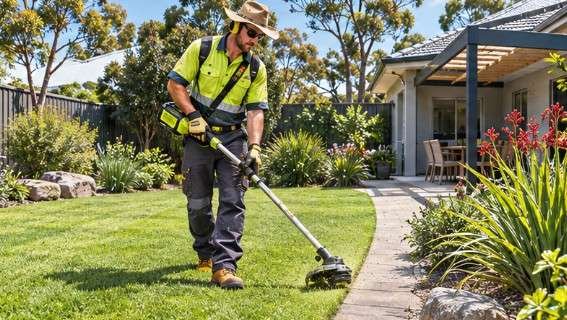
Maintaining a well-kept garden requires attention to detail and the right tools. A lawn trimmer is essential for edging, shaping, and tidying areas that a lawn mower cannot reach. However, to maximise the effectiveness of this tool, selecting the appropriate lawn trimmer line is crucial. This article explores the factors to consider when choosing the best trimmer line and how it can enhance landscaping results.
Understanding Lawn Trimmer Lines
A lawn trimmer line is the cutting component of a string trimmer, composed of a durable nylon filament designed for trimming grass and light vegetation. The line’s thickness, shape, and material quality influence its durability and cutting efficiency.
Why the Right Trimmer Line Matters
Using an inappropriate trimmer line can lead to poor cutting performance, frequent breakage, or even damage to the trimmer head. Selecting the correct line ensures efficient trimming, reduces downtime, and preserves the longevity of the equipment.
Types of Lawn Trimmer Lines
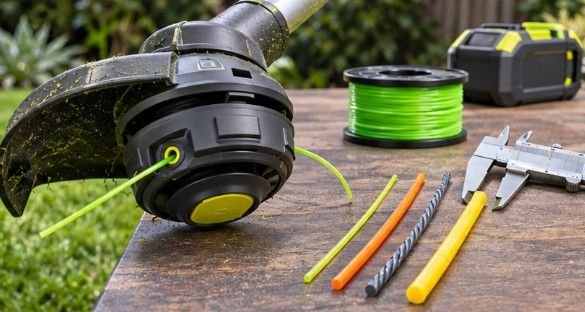
Lawn trimmer lines come in various shapes and sizes. Common types include round, square, twisted, and serrated lines. Each type has specific characteristics suited for different landscaping needs.
Round Trimmer Lines
Round lines are the most common and versatile. They are quiet and suitable for trimming grass and light weeds. Their smooth surface allows for fewer snags and reduced wear.
Square and Serrated Lines
Square and serrated lines provide a sharper cutting edge, making them ideal for tougher grass and thicker weeds. These lines deliver increased cutting power but tend to wear faster and may be noisier during operation.
Twisted Lines
Twisted lines offer a balance between durability and cutting capability. Their design reduces load on the motor and provides smoother performance, suitable for general garden maintenance.
Determining the Appropriate Line Diameter
The thickness of the lawn trimmer line affects cutting ability and compatibility. Thicker lines cut tougher vegetation but require more power. Most household trimmers typically use lines ranging from 1.3mm to 2.7mm in diameter.
For light trimming and edging, a thinner line is sufficient. For heavy-duty clearing of overgrown areas or thick weeds, a thicker line minimises breakage and improves efficiency.
Material Quality and Durability
The composition of the trimmer line impacts its wear resistance and longevity. High-quality nylon with reinforcing materials such as aluminium oxide or other abrasive additives ensures the line lasts longer and cuts more effectively.
Investing in premium trimmer line reduces the need for frequent replacements, which translates to lower maintenance costs over time.
Compatibility with the Trimmer Model
It is essential to verify the specifications recommended by the manufacturer of the lawn trimmer. Each model supports specific line types and diameters, and using incompatible lines may cause mechanical issues or reduce efficiency.
The user manual or manufacturer’s website usually provides detailed guidance to assist in selecting the correct line size and type.
Environmental Considerations
When selecting a lawn trimmer line, environmental impact should also be considered. Some lines are designed to be more biodegradable or to cause less harm to surrounding plants and wildlife.
Choosing environmentally responsible options supports sustainable gardening practices without compromising on performance. Homeowners can also explore affordable conveyancing solutions for homebuyers when purchasing property.
Cost Factors in Choosing Lawn Trimmer Lines
While it may be tempting to purchase the cheapest trimmer line, it often results in more frequent replacements and reduced cutting quality. Balancing cost with durability and performance ensures better value.
Bulk purchases from reputable suppliers can reduce per-unit costs while guaranteeing product quality.
Practical Tips for Using Lawn Trimmer Lines
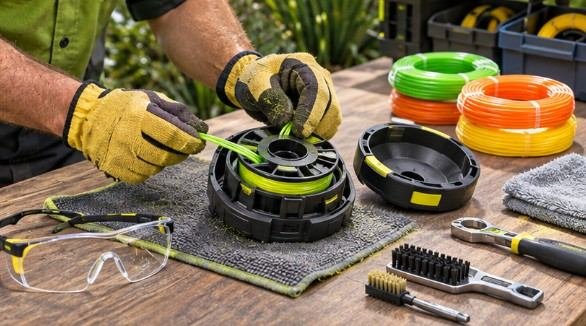
To maximise the lifespan and effectiveness of the lawn trimmer line, proper installation and usage techniques are necessary. Following manufacturer guidelines during spool loading and maintaining the correct speed prevents premature wear.
Regular cleaning of the trimmer head and avoiding contact with hard surfaces such as concrete or fences can also extend line life.
Storage Recommendations
Storing trimmer lines in a cool, dry place away from direct sunlight prevents material degradation. Proper storage ensures lines remain flexible and ready for use when needed.
Where to Purchase Quality Lawn Trimmer Lines
Reliable suppliers offer a range of trimmer lines suited to different landscaping requirements. For those seeking quality and variety, visiting specialised outlets or online stores ensures access to suitable options.
One such resource is the lawn trimmer line collection available through specialist retailers, providing materials tailored to various trimming tasks.
Summary
Selecting the best lawn trimmer line depends on several factors including the type of vegetation, trimmer specifications, line diameter, and material quality. Understanding these elements helps gardeners and landscapers achieve precise, efficient trimming results.
Prioritising compatibility, durability, and appropriate line shape enhances the lifespan of the trimmer and the quality of the landscaping work. The availability of varied options allows tailored choices matching individual needs.
Conclusion
Careful consideration when choosing a lawn trimmer line significantly affects landscaping efficiency and maintenance. By evaluating vegetation density, trimmer capability, and line characteristics, users can improve task outcomes and equipment longevity.
Accessing expert advice and purchasing from specialised suppliers ensures the highest quality materials are used, ultimately contributing to well-maintained and visually appealing gardens.