
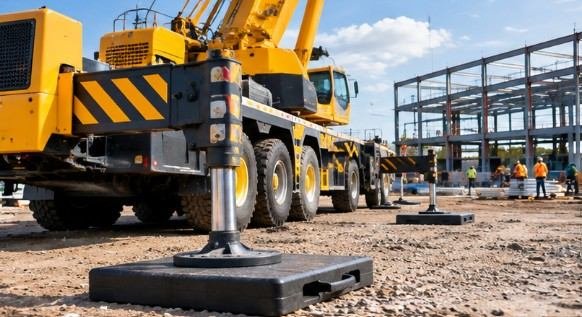
Outrigger pads play a critical role in the safe and efficient operation of cranes. These devices are designed to distribute the load from crane outriggers, preventing ground damage and ensuring stability during lifting operations. This article serves as an essential guide to choosing the right outrigger pads for crane protection, highlighting key considerations and practical recommendations to help operators and site managers make informed decisions.
Understanding Outrigger Pads and Their Function
Outrigger pads are robust, flat platforms placed beneath the crane’s outriggers to distribute the weight exerted on the ground. The primary function is to avoid excessive ground pressure, which can lead to subsidence or imbalance of the crane. Without proper pads, the crane’s stability may be compromised, posing risks to personnel and equipment alike.
Types of Outrigger Pads
Outrigger pads come in various materials and designs, including timber pads, plastic composite pads, and steel pads. Timber outrigger pads have traditionally been used but may not offer uniform pressure distribution and can degrade over time.
Plastic and composite pads, on the other hand, provide high strength, durability, and often include anti-slip surfaces. Steel pads offer superior strength for extremely heavy loads but can be heavier and require additional handling precautions.
Key Considerations When Selecting Outrigger Pads
Choosing the appropriate outrigger pads depends on several factors, including the type of crane, ground conditions, load weight, and regulatory requirements. Each consideration plays a vital role in determining the most suitable pad type for a given job.
Assessing Ground Conditions
The nature of the ground—whether soil, concrete, asphalt, or gravel—directly affects how the load is distributed. Softer or less stable surfaces require larger or stronger pads to spread the crane’s weight effectively. It is critical to conduct ground assessments prior to selecting outrigger pads to ensure safety and compliance.
Load Capacity and Size of Pads
The size and load capacity of outrigger pads must correspond to the forces exerted by the crane during operation. Pads that are too small or have inadequate strength can sink into the ground or fail, leading to crane instability. Manufacturers often provide specifications for each pad type, indicating maximum allowable loads and recommended pad sizes.
Portability and Ease of Use

While durability and strength are essential, ease of handling also contributes to operational efficiency. Lightweight composite pads are often preferred in environments where frequent repositioning is necessary. Consideration should also be given to the availability of storage and transportation options for the outrigger pads.
Safety Standards and Compliance
Using compliant outrigger pads is not only a matter of operational efficiency but also legal obligation. Industry standards and regulations mandate specific requirements for crane-dependent pads to ensure workplace safety. It is advisable to reference national and international guidelines regarding crane support and ground protection.
Inspection and Maintenance
Regular inspection of outrigger pads is critical to maintain their structural integrity. Pads can suffer from cracks, wear, and deformations due to repeated use and exposure to environmental factors. Establishing routine maintenance procedures helps to identify deterioration early and prevent incidents.
Advantages of Using Quality Outrigger Pads
Employing high-quality outrigger pads enhances operational safety, minimises ground damage, and reduces costs associated with repairs and downtime. Additionally, using appropriately designed pads improves load stability, thereby contributing to the overall efficiency of crane operations.
Environmental Impact and Sustainability Considerations
Recent developments have led to more environmentally friendly outrigger pads made from recyclable or sustainable materials. These options not only reduce environmental footprint but often provide excellent performance. Choosing eco-friendly pads aligns with corporate social responsibility goals and can improve public perception of construction projects.
Case Study: Effective Use of Outrigger Pads in Urban Environments
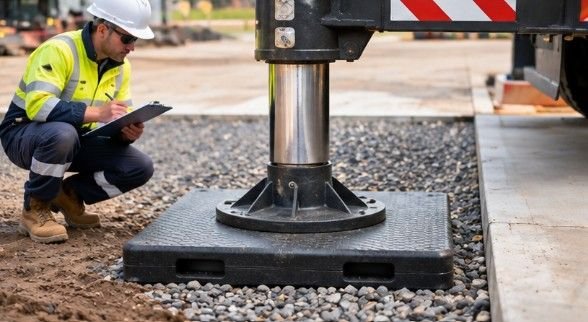
In urban construction settings, protecting pavements and underground utilities is paramount. Outrigger pads with large surface areas and non-marking properties are essential to preventing damage. Practical experience from various projects demonstrates that investing in proper pads reduces costly repairs and minimises interruptions caused by ground damage.
Consulting with Experts
Decisions regarding outrigger pad selection should be supported by expert advice from engineers, manufacturers, and safety consultants. These professionals provide guidance based on load calculations, ground assessments, and project requirements, ensuring that selected pads meet all operational and safety criteria.
Technological Innovations in Outrigger Pad Design
Advances in material science and design technology have led to innovations such as lightweight modular pads and pads with integrated monitoring sensors. These developments improve functionality, ease of installation, and real-time safety evaluation during crane operations.
Summary and Recommendations
Choosing the right outrigger pads requires a comprehensive understanding of crane specifications, ground conditions, and safety regulations. Prioritising quality and compliance minimises risks and reinforces the structural integrity of crane setups. Project managers should assess their specific operational contexts and consult reputable suppliers to identify the most suitable options.
For those seeking reliable solutions, a wide selection of proven outrigger pads is available, ensuring compatibility with various cranes and site requirements.
In conclusion, proper selection, regular inspection, and maintenance of outrigger pads are fundamental components of crane safety and efficiency. By following the outlined guidance, organisations can significantly reduce operational risks and contribute to safer construction environments.