

Understanding the Gut–Brain Axis
The relationship between the gut and the brain is not symbolic; it is biological and continuous. This communication system is known as the gut–brain axis.
Signals travel between the gut and the brain through nerves, hormones, immune pathways, and chemical messengers produced by gut bacteria. Because of this constant interaction, gut health directly affects emotional regulation and psychological resilience.
The Brain-Gut Connection
A core pillar of the role of gut health in mental well-being is the brain-gut connection. This bidirectional pathway allows emotional stress to affect digestion and gut imbalance to influence mood, anxiety, and cognition.
Through The Brain-Gut Connection, the brain controls gut movement, enzyme release, and sensitivity. At the same time, the gut sends feedback that shapes stress perception and emotional stability. Disruptions in this connection may increase anxiety, emotional reactivity, and mental fatigue.
Why the Gut Is Called the Second Brain
The gut houses its own nervous system, known as the enteric nervous system. This intricate network of neurons enables the gut to function autonomously while maintaining communication with the brain.
Due to this complexity, the gut has the ability to influence emotional responses, stress signals, and instinctive reactions, which is why it’s often referred to as the “second brain.”
Neurotransmitters and Emotional Balance

One of the strongest reasons behind the role of gut health in mental well-being is neurotransmitter regulation.
A large portion of serotonin, which influences mood and emotional stability, is produced in the gut. Dopamine and gamma-aminobutyric acid, both essential for motivation and calmness, are also influenced by gut bacteria.
Gut Bacteria and Neurochemical Signaling
When gut bacteria are balanced, neurotransmitter production remains stable. When imbalance occurs, mood swings, irritability, and emotional instability may follow.
Immune Function and Mental Health
A significant percentage of immune cells reside in the gut, linking gut health directly to inflammation and brain function. Chronic gut imbalance can trigger low-grade inflammation, which has been associated with brain fog, poor concentration, and mood disorders.
Microbial Metabolites and Brain Protection
Gut Health and Emotional Disorders
Mental health conditions are increasingly linked to changes in gut microbiota composition.
Role of Gut Microbiota in Anxiety, Depression
Research highlights the role of gut microbiota in anxiety through reduced microbial diversity and lower levels of beneficial bacteria in affected individuals.
The Role of Gut Microbiota in Anxiety, Depression involves inflammation, altered neurotransmitter production, and heightened stress hormone activity. Supporting microbial balance may help stabilize mood and reduce symptom severity.
Stress and Gut Dysregulation
Chronic stress alters gut motility, weakens the intestinal barrier, and disrupts microbial balance.
This creates a feedback loop where stress damages gut health, and poor gut health intensifies stress responses, worsening mental well-being.
Nutrition as a Mental Health Tool

Diet is one of the most effective ways to support gut health and emotional balance.
Fiber-rich foods nourish beneficial bacteria, while fermented foods introduce helpful microbes that strengthen gut diversity.
Gut microbiota, nutrition, and mental health
An important research focus is Gut microbiota, nutrition and mental health as a unified system. Dietary patterns directly shape gut bacteria, which influence neurotransmitters and immune signaling.
Poor dietary habits disrupt Gut microbiota, nutrition, and mental health, increasing inflammation and stress sensitivity. Consistent, nutrient-rich diets support long-term emotional resilience.
Sleep Quality and Gut Balance
Sleep plays a critical role in maintaining gut microbial diversity. Poor sleep reduces beneficial bacteria and increases inflammatory strains. Because sleep also affects emotional processing, disrupted sleep worsens both gut health and mental stability.
Impact of Ultra-Processed Foods

Ultra-processed foods encourage the growth of harmful bacteria and increase systemic inflammation. These diets are linked to higher rates of anxiety, low mood, and cognitive fatigue.
Physical Activity and Microbial Diversity
Regular movement improves gut diversity, digestion, and neurotransmitter balance. Exercise also reduces stress hormones, benefiting both mental and digestive health.
Long-Term Consequences of Poor Gut Health
Chronic gut imbalance can lead to persistent inflammation, emotional instability, and poor stress regulation. Over time, this increases the risk of mental health disorders and decreases quality of life.
Restoring Gut Health for Mental Stability
Preventive Importance of Gut Health
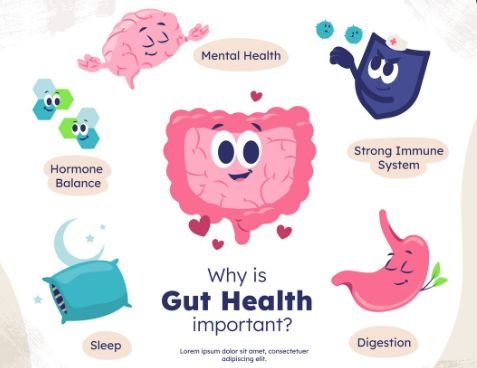
Focusing on the role of gut health in mental well-being shifts mental care toward prevention. Supporting gut balance early may reduce the severity and frequency of future emotional challenges.
Frequently Asked Questions :-
1. How does gut health affect mental well-being?
Gut health influences neurotransmitters, inflammation, and stress signaling that regulate mood and emotions.
2. Can gut health contribute to anxiety?
Yes, gut imbalance may increase stress hormones and reduce calming neurotransmitters.
3. Is there a link between gut health and depression?
Research shows altered gut microbiomes in individuals with depression.
4. Do probiotics improve mental health?
Some probiotic strains may support mood regulation, though results vary.
5. How long does gut healing take?
Initial improvements may appear in weeks, but long-term balance requires consistency.